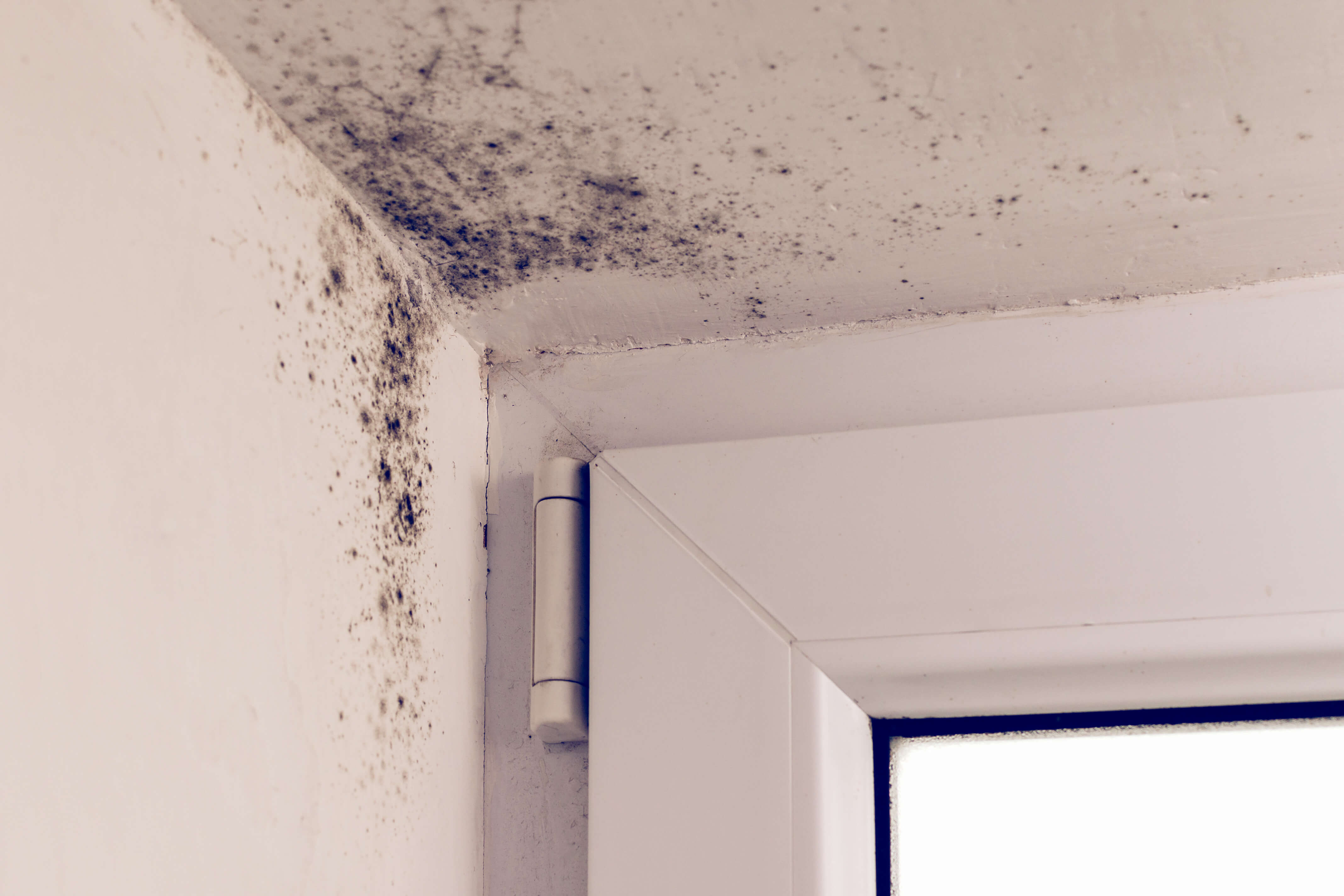
When you need professional mold testing, you need more than just lab results. You need a comprehensive assessment that identifies the source, extent, and potential impact of mold growth on your facility. Our Certified Industrial Hygienists conduct thorough mold surveys using air sampling, moisture mapping, and comparative analysis to determine if mold amplification has occurred in your building.
EHS Analytical Solutions provides professional mold testing services – also known as mold surveys or mold investigations – for commercial properties, construction projects, industrial facilities, and institutional buildings across San Diego County. Our CIH-led assessments deliver the scientific data and expert interpretation you need to make informed decisions about your facility.
When You Need Mold Testing
Common situations that require professional mold assessment include:
For broader indoor air quality concerns, see our Indoor Air Quality assessment.
Water Damage Events
Construction water intrusion during building or after storm events can create conditions for mold growth. General contractors rely on our pre-turnover clearance testing to document building conditions and protect against future liability. Our multi-building assessments provide the due diligence documentation needed before releasing facilities to owners.
Visible Mold or Musty Odors
When occupants report visible mold growth or persistent musty odors, a professional assessment determines the extent of contamination and identifies moisture sources driving the problem. Our surveys go beyond confirming mold presence to identify the underlying causes.
Tenant and Occupant Complaints
Facility managers and property managers turn to us when tenants raise indoor air quality concerns. Our third-party assessment provides objective data to address complaints and determine appropriate next steps.
Post-Remediation Verification
After mold remediation is complete, clearance testing confirms the work was effective. Our AIHA-accredited laboratory analysis and CIH interpretation provide the documentation contractors, property owners, and insurance companies need to verify successful remediation.
Insurance Claims Documentation
Insurance carriers and adjusters rely on our professional assessments to document mold conditions, evaluate claims, and determine coverage. Our detailed reports include photographic evidence, laboratory data, and expert findings.
Due Diligence Assessments
Pre-purchase assessments, lease negotiations, and property transfers often require mold testing to document existing conditions and avoid future disputes.
Our Mold Survey Process
Our comprehensive approach combines field investigation, scientific sampling, and expert interpretation:
Visual Inspection and Moisture Mapping
We conduct detailed visual inspections of suspect areas while collecting temperature and relative humidity readings throughout your facility. Moisture meters help identify water sources and building envelope issues that may be contributing to mold growth. This investigative work provides essential context for interpreting air sample results.
Air Sampling with Spore Traps
We collect air samples using calibrated sampling equipment and Air-O-Cell cassettes designed for analyzing airborne mold spores. Our sampling strategy includes both suspect areas and non-suspect control locations to enable comparative analysis. We also collect outdoor samples to establish baseline conditions.
Comparative Analysis
Following American Conference of Governmental Industrial Hygienists (ACGIH) guidelines, we compare indoor spore counts to outdoor baseline levels and between different areas of your facility. This comparative approach helps determine if mold amplification has occurred indoors. ACGIH recommends that differences of 10-fold or greater (for example, 100 versus 1,000 spores/m³) indicate potential fungal amplification requiring attention.
AIHA-Accredited Laboratory Analysis
All samples are analyzed by Eurofins, an AIHA-accredited laboratory. Laboratory analysis identifies specific mold types present and provides quantified spore counts reported in spores per cubic meter (spores/m³).
Certified Industrial Hygienist Interpretation
Our CIH/CSP reviews all analytical results, evaluates field observations, considers moisture data, and applies professional judgment to determine whether mold amplification has occurred. This expert interpretation transforms raw laboratory data into actionable findings and recommendations.
What We Deliver
Our comprehensive mold survey reports include:
- Detailed Findings and Observations — Professional documentation of all visual observations, building conditions, and field measurements collected during the survey.
- Photographic Documentation — Clear photographs showing sampling locations, areas of concern, and relevant building conditions.
- Laboratory Analytical Results — Complete laboratory reports from AIHA-accredited analysis, including chain of custody documentation and full analytical data tables.
- Temperature and Humidity Data — Detailed moisture readings from each sample location to help identify water sources and evaluate building conditions against ASHRAE recommended levels.
- Sample Location Diagrams — Floor plans showing exact sample locations for future reference and comparison.
- Expert Conclusions and Recommendations — CIH-signed interpretation of results with clear conclusions about mold amplification and specific recommendations based on findings.
- Clearance Documentation (When Applicable) — For post-remediation or pre-turnover assessments, we provide formal clearance statements when results support that conclusion.
Post-Remediation Clearance Testing
Clearance testing serves multiple critical functions:
For General Contractors
Pre-turnover clearance testing protects contractors before releasing buildings to owners. When construction water intrusion occurs – whether from incomplete building envelopes during storm events or other water damage – clearance testing documents that no mold amplification existed at turnover. This creates an important liability protection: if mold issues arise later, contractors have professional documentation showing the building was clear when responsibility transferred to the owner.
For Property Owners and Managers
After remediation work is completed, clearance testing provides independent verification that the work was effective and complete. This third-party confirmation protects your investment and provides assurance that occupants can safely return to remediated spaces.
For Insurance Claims
Insurance carriers and adjusters rely on clearance testing to verify remediation work met professional standards and successfully addressed the mold problem. Our documentation supports claim resolution and provides the analytical evidence needed for coverage decisions.
Our clearance testing follows the same rigorous methodology as investigative surveys: air sampling with comparative analysis, AIHA-accredited laboratory analysis, and CIH interpretation. When clearance criteria are met, we provide formal documentation stating that sampled areas have passed clearance testing based on the analytical data collected.
Who We Serve
- General Contractors — Pre-turnover clearance for new construction, multi-building assessments after water damage events, and documentation for liability protection.
- Facility Managers and Operations Managers — Investigating occupant complaints, assessing building conditions, and managing remediation verification for commercial and industrial facilities.
- Property Managers — Addressing tenant concerns, documenting property conditions, and coordinating third-party assessments for lease agreements or disputes.
- EHS Professionals — Supporting corporate EHS programs with professional indoor air quality assessments and mold investigations at manufacturing, laboratory, and office facilities.
- Insurance Companies and Adjusters — Providing objective assessments for claims evaluation, documenting conditions, and verifying remediation effectiveness.
Frequently Asked Questions
What types of properties do you assess?
We serve commercial, industrial, and institutional facilities exclusively. This includes office buildings, manufacturing facilities, warehouses, laboratories, schools, medical facilities, hotels, and commercial construction projects. We do not provide services for residential properties.
What’s the difference between mold testing and Industrial Hygiene services?
Mold testing focuses specifically on assessing mold growth and air quality in buildings, typically triggered by water damage, visible mold, or general indoor air quality concerns. Industrial Hygiene services address employee exposure to known workplace hazards – specific chemicals, noise, dust, or other occupational health risks. If you have concerns about general building air quality, mold testing or Indoor Air Quality assessment is appropriate. If employees are exposed to specific workplace hazards, you need Industrial Hygiene services.
How quickly can you provide results?
Standard turnaround time is 3 business days from sample collection to final report delivery. Rush analysis is available for time-sensitive situations, with next-day results available for premium pricing.
What happens if you find mold amplification?
If our testing indicates mold amplification has occurred, our report will identify the extent of the problem, likely moisture sources contributing to growth, and specific recommendations for remediation. We assess and provide recommendations but do not perform remediation ourselves, ensuring our findings remain objective and unbiased.
Do you perform mold abatement or remediation?
No. We provide assessment, testing, and consulting services only. This separation ensures our findings and recommendations remain completely objective and in your best interest. We can provide oversight and clearance testing after remediation is completed by qualified contractors.
How do you determine if mold levels are elevated?
We use comparative analysis following ACGIH guidelines, comparing indoor levels to outdoor baseline samples and to other areas within your facility. When indoor spore counts are 10-fold or greater than outdoor levels, this indicates potential mold amplification requiring attention. Our CIH also evaluates specific mold types present, moisture conditions, and other factors to determine appropriate conclusions.
Related Services
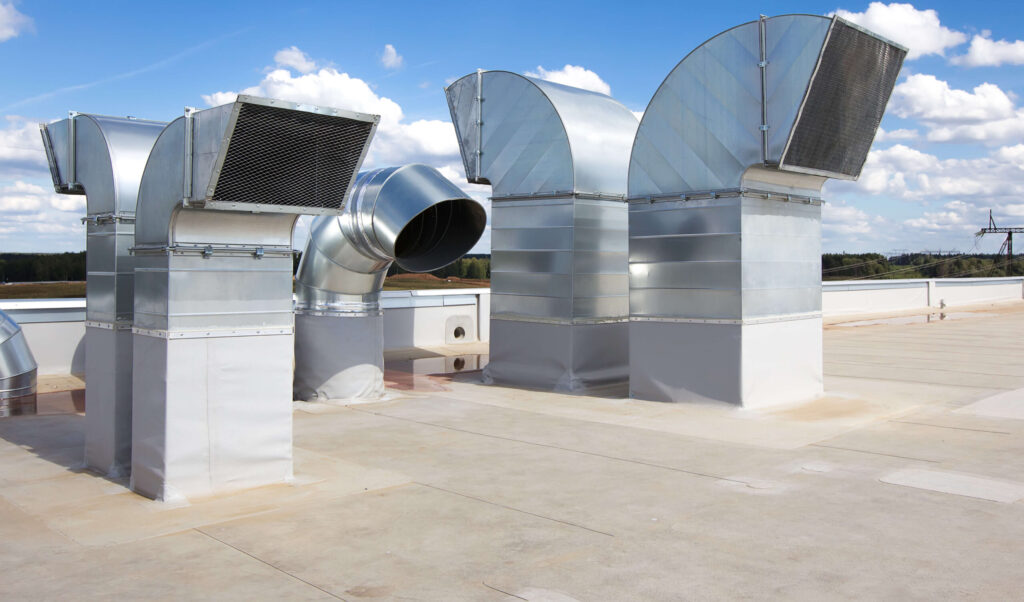
Indoor Air Quality Testing
EHS Analytical Solutions, Inc. will investigate and analyze your indoor air quality. We provide detailed reports and provide recommendations for…
Learn More about Indoor Air Quality Testing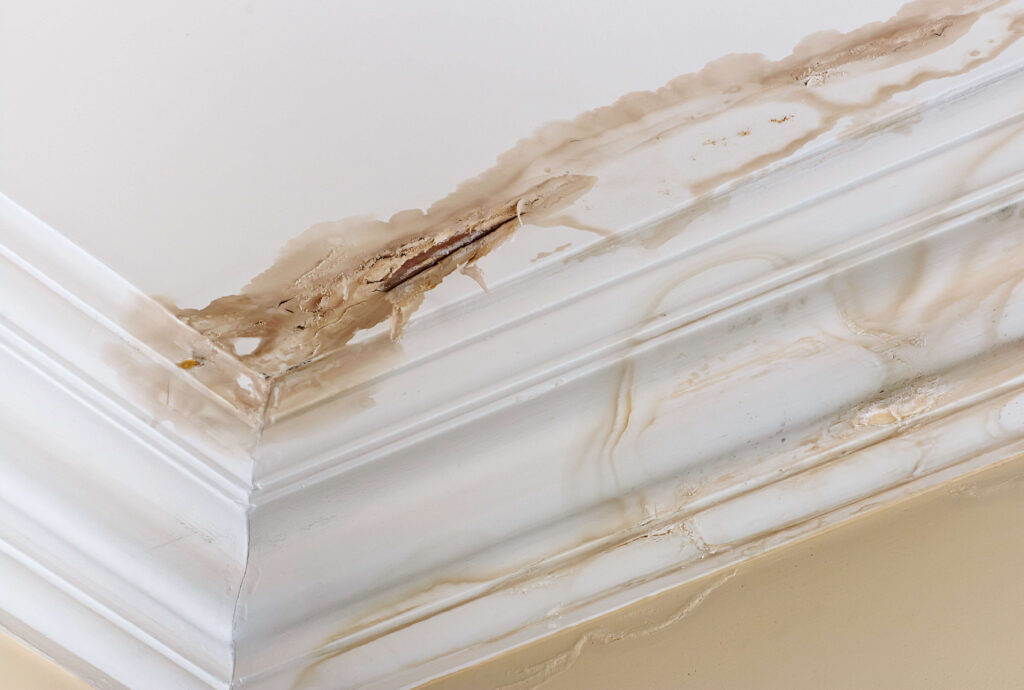
Water Damage Assessments
Our certified experts provide high quality water damage assessments throughout San Diego and the United States. Our staff are trained…
Learn More about Water Damage Assessments
Industrial Hygiene Services
We provide professional Industrial Hygiene services throughout San Diego, Orange County and Southern California. Some of the main industries we…
Learn More about Industrial Hygiene Services
Asbestos Testing
EHS Analytical Solutions Inc. has California licensed asbestos experts (Certified Asbestos Consultants) who provide comprehensive asbestos testing services in San…
Learn More about Asbestos TestingReady to Get Started?
Contact us today for a free consultation and quote. Our team of certified professionals is ready to help with your project.